Anti-Trans Violence:
Data for Change
(Europe and Central Asia)
By partnering with local organisations and using the Uwazi platform to securely collect and analyse data, we aim to drive meaningful legal reforms and raise public awareness of trans issues across the Europe and Central Asia region.
The Anti-Trans Violence Project (Europe and Central Asia) follows a rigorous and intersectional methodology. Using Uwazi, we collect data from verified sources, including trans-led grassroots organisations, focusing on psychological, physical, systemic, and sexual violence. Our process includes:
- Partnerships with local activists for on-the-ground reporting.
- Training on using Uwazi for effective data collection.
- Confidentiality through robust access controls and anonymisation.
- Data-driven insights, employing geospatial mapping and advanced filters to identify trends and inform policy.
This approach empowers local communities while ensuring the highest standards of data integrity and advocacy potential.
Cases by
Type of incident
Gender identity
Ocupation
Migrant status
Age range
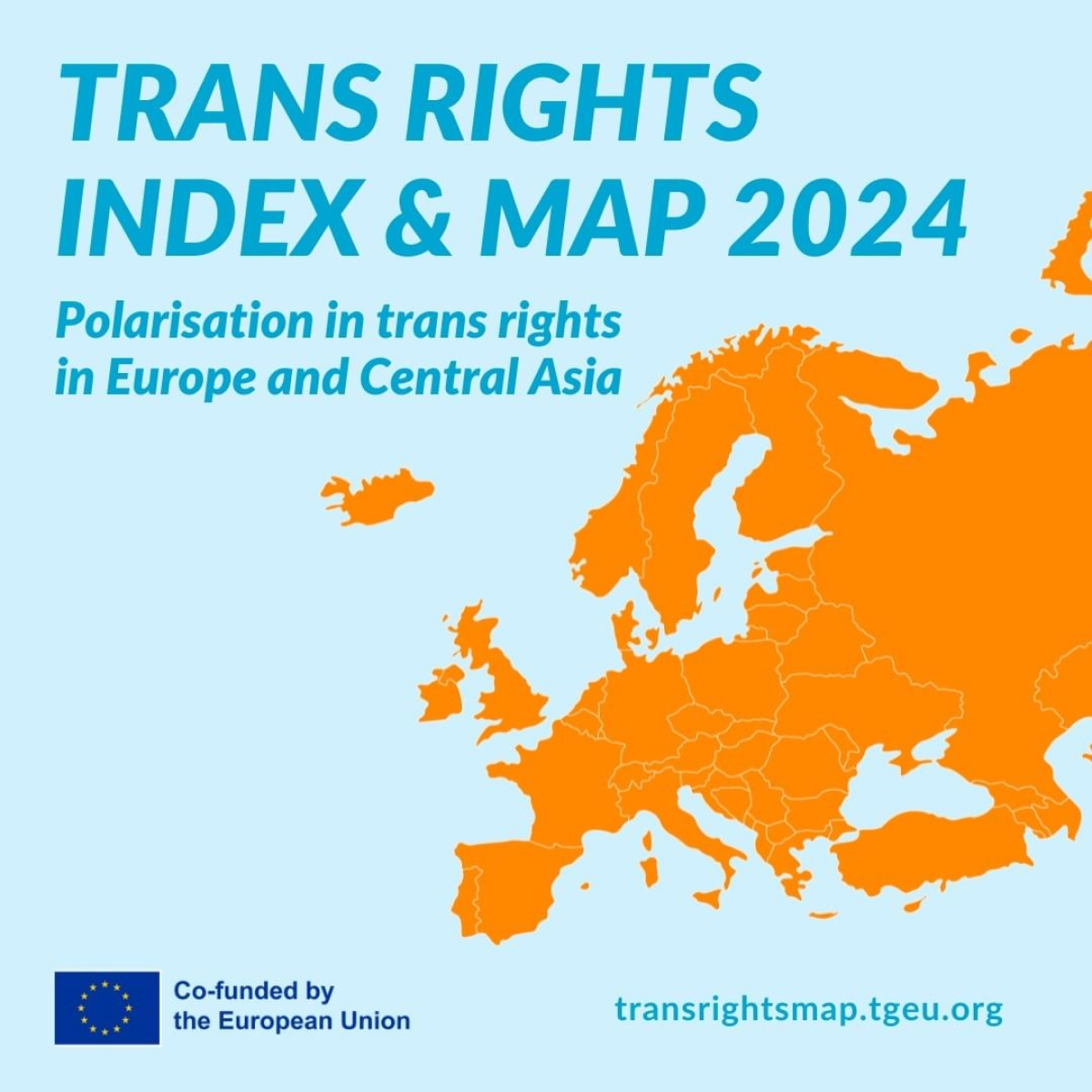
An interactive map that provides a comprehensive overview of the legal and social protections fortrans people across Europe and Central Asia. Use it to explore country-specific rights includinglegal gender recognition, healthcare access, and protections from discrimination.
read more
A guide on how to use Uwazi for trans rights documentation, empowering activists to gather data that strengthens advocacy efforts.
read more
Monitoring project
A global initiative tracking reported killings of trans and gender diverse people, with specific regional insights for Europe and Central Asia.
read moreViolence in Europe and Central Asia 2023
An in-depth look at violence faced by trans communities across Europe and Central Asia, with specific attention to race, gender identity, and migration status.
Discover patterns of anti-trans violence across Europe and Central Asia with our interactive data dashboard, featuring filters for region, identity, and type of violence.
explore the dataIf you want to become a collaborator in order to report cases of violence, please contact us on the link below.
become a collaborator